№ 234 / Image transformation
Expose a photographic negative
Reverse channel values to illustrate a photographic negative.
IN EVERYDAY WORDS
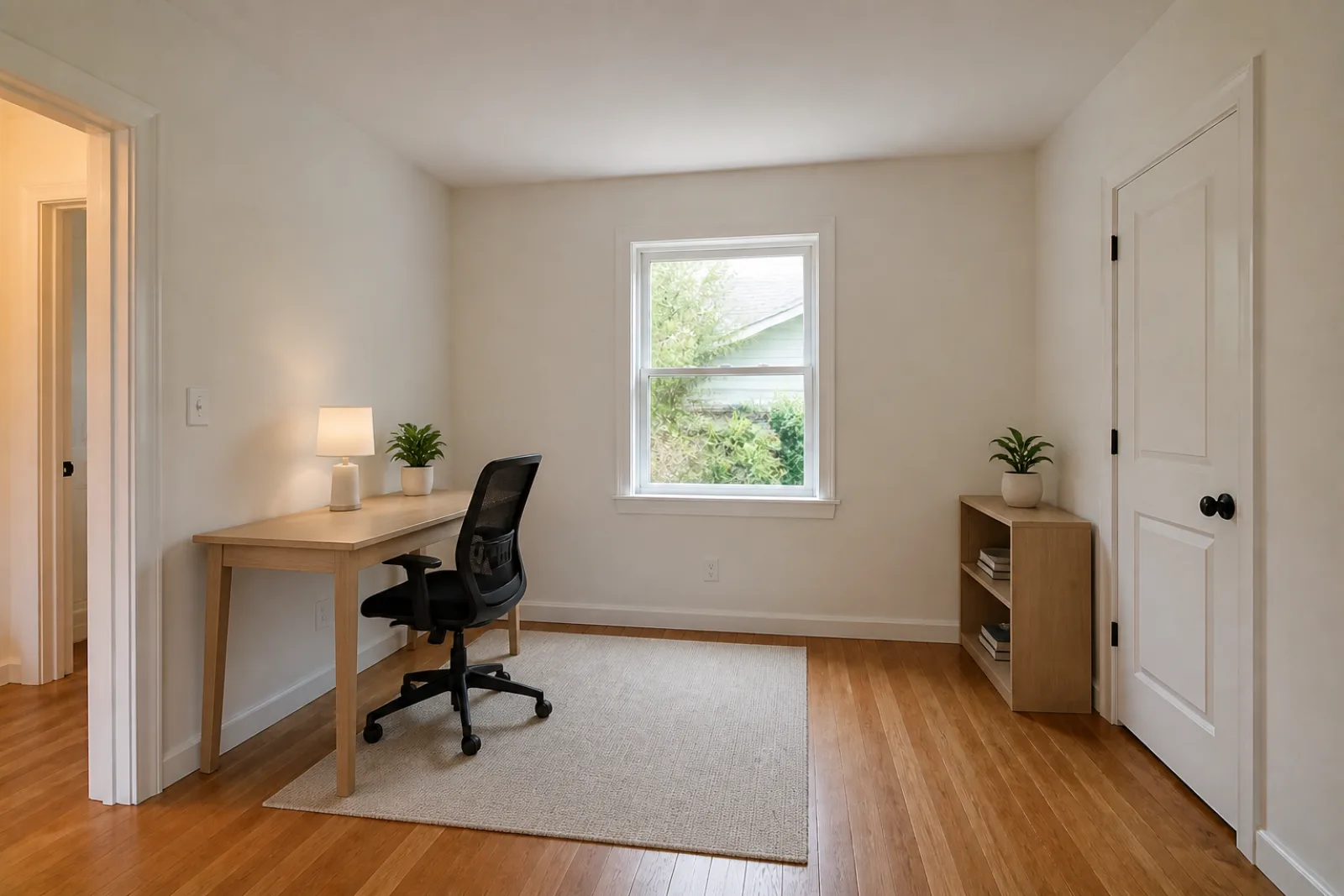
Reverse channel values to illustrate a photographic negative. Invert the plate while inspecting the office furnishing study.
The look
Positive print → Negative proof. Reverse channel values to illustrate a photographic negative. Keep the listing photograph as the visual subject.
Say this to a designer
On my listing photograph, invert the plate while inspecting the office furnishing study. Show “Positive print” and “Negative proof”. Reverse channel values to illustrate a photographic negative.
Direct the motion
These are starting points, not fixed rules. Match the timing to the content and the person using it.
- trigger
- The visitor controls “Invert the plate” with touch, pointer or arrow keys.
- entrance
- Begin with the recognizable state “Positive print” in view.
- path
- Positive print → Negative proof. Reverse channel values to illustrate a photographic negative.
- timing
- Follow the visitor’s input directly. For a replay, traverse the full study in about two seconds.
- easing
- Use linear tracking for scrubbing and a gentle ease at both ends of a timed replay.
- hold
- Hold “Negative proof” while the viewer inspects the result or opens the brief.
- exit
- Retain the original photograph, its architecture and proportions. Identify every virtual furnishing or illustrative image treatment.
The vocabulary
- Invert the plate
- Reverse channel values to illustrate a photographic negative.
- Reference endpoints
- “Positive print” and “Negative proof” define the two checkable states of this effect.
Make it fit your project
Good places to use it: listing photograph, image transformation example.
Apply this to the listing photograph when the visitor needs to see the change from “Positive print” to “Negative proof”.
Watch for: Retain the original photograph, its architecture and proportions. Identify every virtual furnishing or illustrative image treatment.
When motion is off: Show the two named states “Positive print” and “Negative proof” on demand. Keep automatic movement off.
Implementation and accessibility
- Invert the plate while inspecting the office furnishing study.
- Start in “Positive print”. Bind the control “Invert the plate” to one reversible value between zero and one.
- Positive print → Negative proof. Reverse channel values to illustrate a photographic negative.
- Retain the original photograph, its architecture and proportions. Identify every virtual furnishing or illustrative image treatment.
- Inspect the two endpoints and the midpoint on a narrow touch screen. Verify the result using the keyboard.
- Give “Invert the plate” an accessible name and keyboard controls.
- Expose the before and after descriptions as text.
- Load the active study’s assets on demand. Stop rendering while its stage is off screen.
Give it to your AI
Download the working source and example assets. Match this reference number in the included catalog to its renderer.
Replace [ELEMENT] with the part of your project you want to change. The prompt includes the design brief, motion direction, definitions, and implementation steps.
Read the full prompt
Use AI Acceleration Design Ref #234 (Expose a photographic negative, version 1) on [ELEMENT] in my existing project.

Permanent reference: https://aiacceleration.ai/designrefs/234. This local brief contains the full definition. Inspect my existing stack, component, design tokens and interaction before editing.

Goal: Reverse channel values to illustrate a photographic negative.

DESIGN REF #234 · Expose a photographic negative

In everyday words: Reverse channel values to illustrate a photographic negative. Invert the plate while inspecting the office furnishing study.

The look: Positive print → Negative proof. Reverse channel values to illustrate a photographic negative. Keep the listing photograph as the visual subject.

Say this to a designer:
On my listing photograph, invert the plate while inspecting the office furnishing study. Show “Positive print” and “Negative proof”. Reverse channel values to illustrate a photographic negative.

Motion direction (starting points to adapt):
Trigger: The visitor controls “Invert the plate” with touch, pointer or arrow keys.
Entrance: Begin with the recognizable state “Positive print” in view.
Path: Positive print → Negative proof. Reverse channel values to illustrate a photographic negative.
Timing: Follow the visitor’s input directly. For a replay, traverse the full study in about two seconds.
Easing: Use linear tracking for scrubbing and a gentle ease at both ends of a timed replay.
Hold: Hold “Negative proof” while the viewer inspects the result or opens the brief.
Exit: Retain the original photograph, its architecture and proportions. Identify every virtual furnishing or illustrative image treatment.

Design vocabulary:
Invert the plate: Reverse channel values to illustrate a photographic negative.
Reference endpoints: “Positive print” and “Negative proof” define the two checkable states of this effect.

Reduced motion: Show the two named states “Positive print” and “Negative proof” on demand. Keep automatic movement off.

Implement:
1. Invert the plate while inspecting the office furnishing study.
2. Start in “Positive print”. Bind the control “Invert the plate” to one reversible value between zero and one.
3. Positive print → Negative proof. Reverse channel values to illustrate a photographic negative.
4. Retain the original photograph, its architecture and proportions. Identify every virtual furnishing or illustrative image treatment.
5. Inspect the two endpoints and the midpoint on a narrow touch screen. Verify the result using the keyboard.

Adapt the reference to my branding and content. Preserve existing functionality and semantic HTML.
Reduced motion: Show the two named states “Positive print” and “Negative proof” on demand. Keep automatic movement off.
Accessibility: Give “Invert the plate” an accessible name and keyboard controls. Expose the before and after descriptions as text.
Performance: Load the active study’s assets on demand. Stop rendering while its stage is off screen.
Avoid: Retain the original photograph, its architecture and proportions. Identify every virtual furnishing or illustrative image treatment.

Show me the working result, verify keyboard, mobile, loading/error and reduced-motion behavior, and explain any tradeoff. Do not publish or change unrelated elements.
Permanent reference #234 · version 1. Pairs with #273, #003.