№ 671 / Short-form editing
Step the film one pose at a time
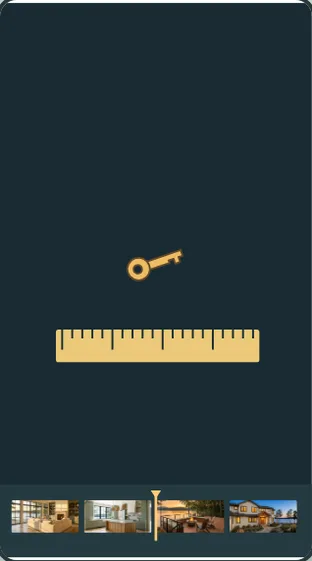
Three marked positions expose the travel of a key across the edit. Hold each endpoint before advancing to the next.
IN EVERYDAY WORDS
Start at “First pose”. Three marked positions expose the travel of a key across the edit. Hold each endpoint before advancing to the next.
The look
Three marked positions expose the travel of a key across the edit. Hold each endpoint before advancing to the next.
Say this to a designer
On my property story, use “Step the film one pose at a time”. Three marked positions expose the travel of a key across the edit. Hold each endpoint before advancing to the next.
Direct the motion
These are starting points, not fixed rules. Match the timing to the content and the person using it.
- trigger
- Scrub “Step the film one pose at a time”, replay, or advance with native scrolling.
- entrance
- Establish “First pose” so the viewer can recognize the starting state.
- path
- Three marked positions expose the travel of a key across the edit. Hold each endpoint before advancing to the next.
- timing
- The complete replay takes 3.6 seconds. Keep each cue tied to its position in the sequence.
- easing
- Seek directly to the requested frame. Ease the movement between the authored poses.
- hold
- Settle on “Last pose” so the viewer can inspect the consequence.
- exit
- Carry the discovery source, original question and chosen references into the next scene.
The vocabulary
- Step the film one pose at a time
- Three marked positions expose the travel of a key across the edit. Hold each endpoint before advancing to the next.
Make it fit your project
Good places to use it: property story, Short-form editing.
Use this when the viewer needs to follow the change from “First pose” to “Last pose”.
Watch for: Keep the subject, orientation and interface legible throughout the change.
When motion is off: Choose “First pose” or “Last pose” to inspect either still. Keep the full description available with motion off.
Implementation and accessibility
- Establish “First pose” using an owned photograph or an illustrative interface.
- Three marked positions expose the travel of a key across the edit. Hold each endpoint before advancing to the next.
- Return to “Last pose” using the end control and verify the result at phone size.
- Expose both named endpoints and a keyboard-operated control.
- Give spoken cues a readable visual equivalent.
- Load the active artwork on demand and share its frame calculation between scroll and replay.
Give it to your AI
Download the working source and example assets. Match this reference number in the included catalog to its renderer.
Replace [ELEMENT] with the part of your project you want to change. The prompt includes the design brief, motion direction, definitions, and implementation steps.
Read the full prompt
Use AI Acceleration Design Ref #671 (Step the film one pose at a time, version 1) on [ELEMENT] in my existing project.

Permanent reference: https://aiacceleration.ai/designrefs/671. This local brief contains the full definition. Inspect my existing stack, component, design tokens and interaction before editing.

Goal: Three marked positions expose the travel of a key across the edit. Hold each endpoint before advancing to the next.

DESIGN REF #671 · Step the film one pose at a time

In everyday words: Start at “First pose”. Three marked positions expose the travel of a key across the edit. Hold each endpoint before advancing to the next.

The look: Three marked positions expose the travel of a key across the edit. Hold each endpoint before advancing to the next.

Say this to a designer:
On my property story, use “Step the film one pose at a time”. Three marked positions expose the travel of a key across the edit. Hold each endpoint before advancing to the next.

Motion direction (starting points to adapt):
Trigger: Scrub “Step the film one pose at a time”, replay, or advance with native scrolling.
Entrance: Establish “First pose” so the viewer can recognize the starting state.
Path: Three marked positions expose the travel of a key across the edit. Hold each endpoint before advancing to the next.
Timing: The complete replay takes 3.6 seconds. Keep each cue tied to its position in the sequence.
Easing: Seek directly to the requested frame. Ease the movement between the authored poses.
Hold: Settle on “Last pose” so the viewer can inspect the consequence.
Exit: Carry the discovery source, original question and chosen references into the next scene.

Design vocabulary:
Step the film one pose at a time: Three marked positions expose the travel of a key across the edit. Hold each endpoint before advancing to the next.

Reduced motion: Choose “First pose” or “Last pose” to inspect either still. Keep the full description available with motion off.

Implement:
1. Establish “First pose” using an owned photograph or an illustrative interface.
2. Three marked positions expose the travel of a key across the edit. Hold each endpoint before advancing to the next.
3. Return to “Last pose” using the end control and verify the result at phone size.

Adapt the reference to my branding and content. Preserve existing functionality and semantic HTML.
Reduced motion: Choose “First pose” or “Last pose” to inspect either still. Keep the full description available with motion off.
Accessibility: Expose both named endpoints and a keyboard-operated control. Give spoken cues a readable visual equivalent.
Performance: Load the active artwork on demand and share its frame calculation between scroll and replay.
Avoid: Keep the subject, orientation and interface legible throughout the change.

Show me the working result, verify keyboard, mobile, loading/error and reduced-motion behavior, and explain any tradeoff. Do not publish or change unrelated elements.
Permanent reference #671 · version 1. Pairs with #321, #003.